Use cases
For people who writefor someone else.
A deliverable with a deadline and a reader who is not you. Here is what that looks like in Ritemark.
Free and open source. Runs on your ChatGPT account or paid Claude plan, or your own API keys.
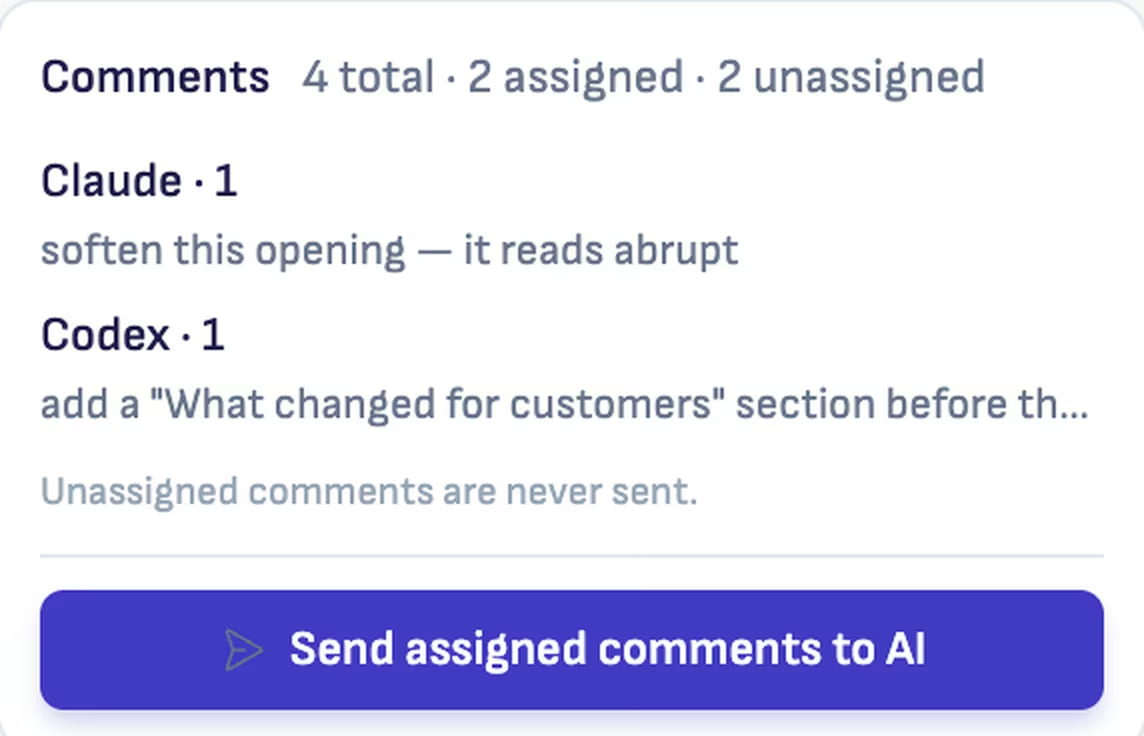
Consultants
From the workshop to the findings.
The recording becomes a transcript, the decisions come out with the minute they were made, and the deliverable is written from what was actually said.
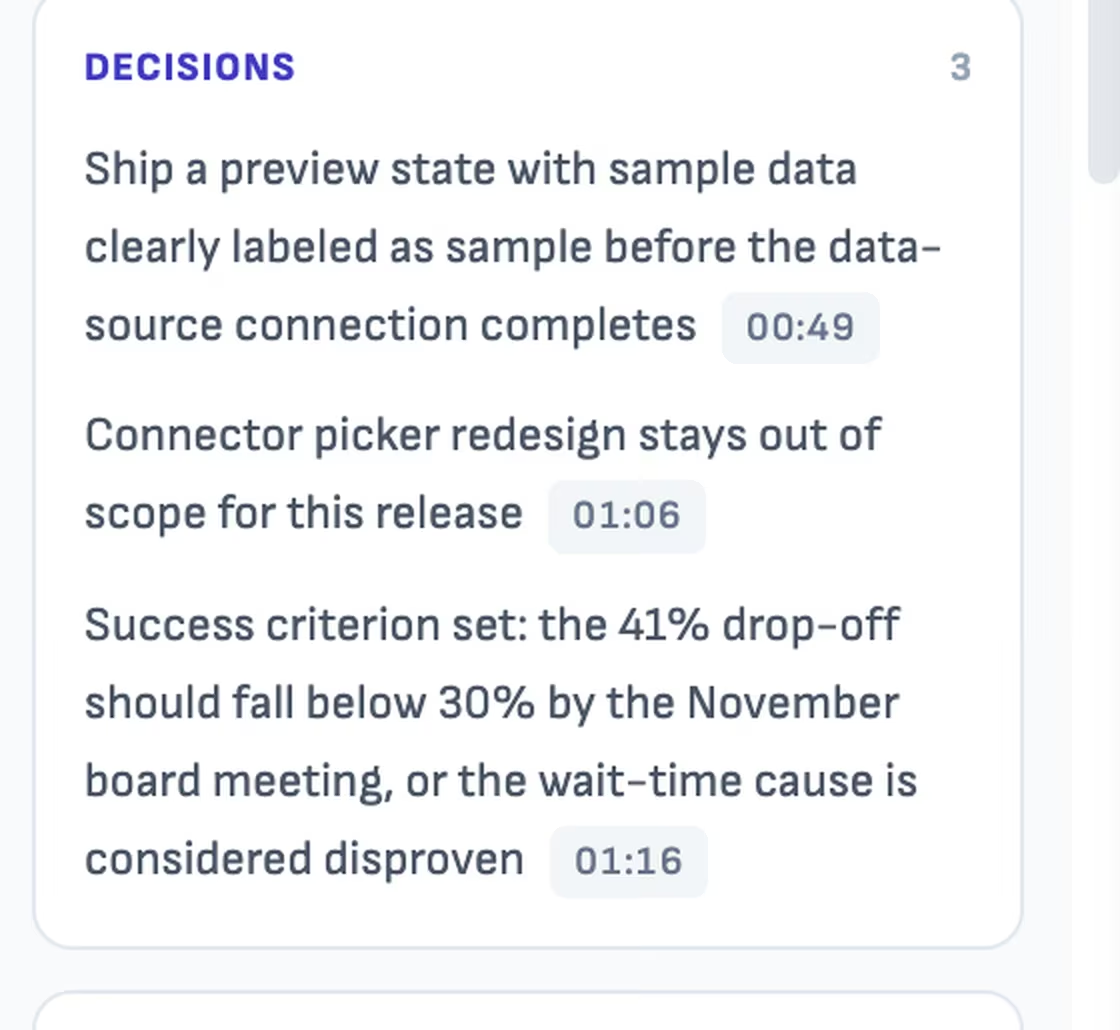
Trainers
The session comes back in speakers and minutes.
Record the session you were running anyway, then write the handout, the exercises and the follow-up from what the group actually asked.
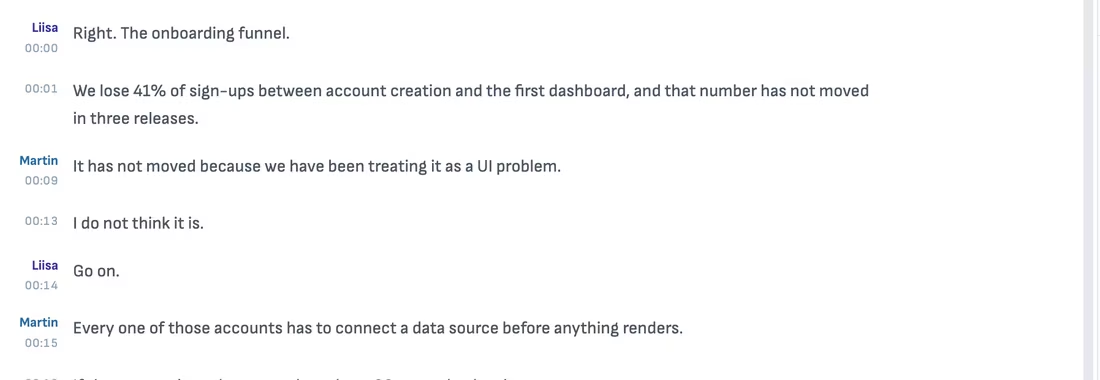
Technical writers
Docs in the files your site builds from.
Markdown in the repository, formatting you can see while you type, and an agent that edits the document rather than answering about it.
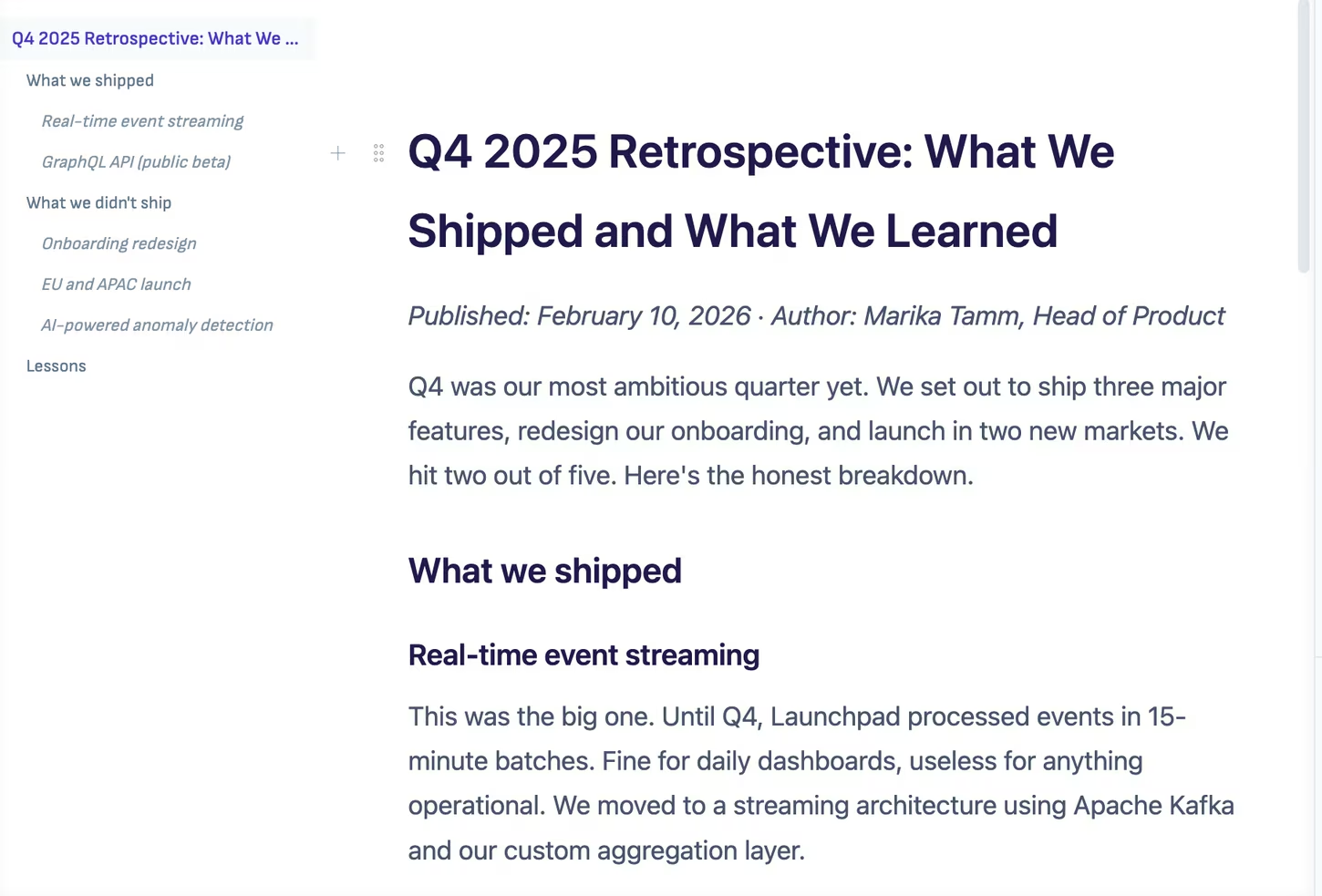
Product managers
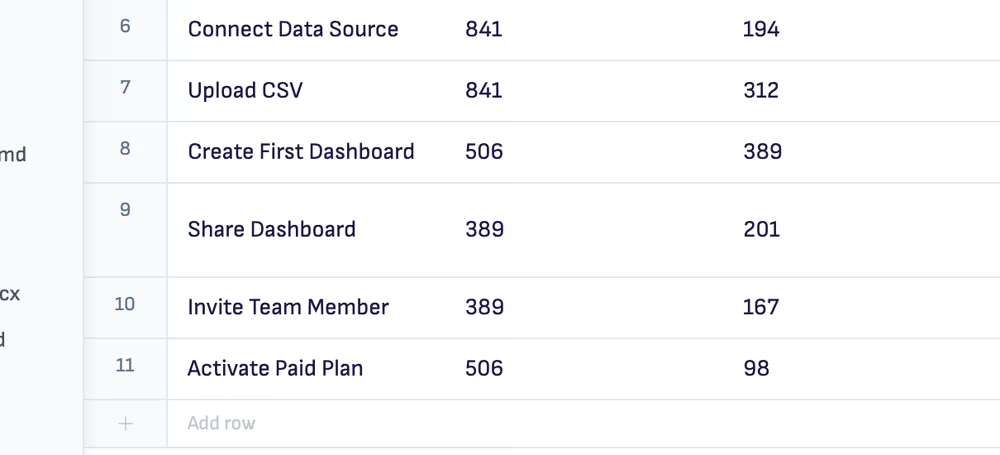
The export from your analytics, open here.
Read and edit it in the same window as the document that argues about it.
Founders
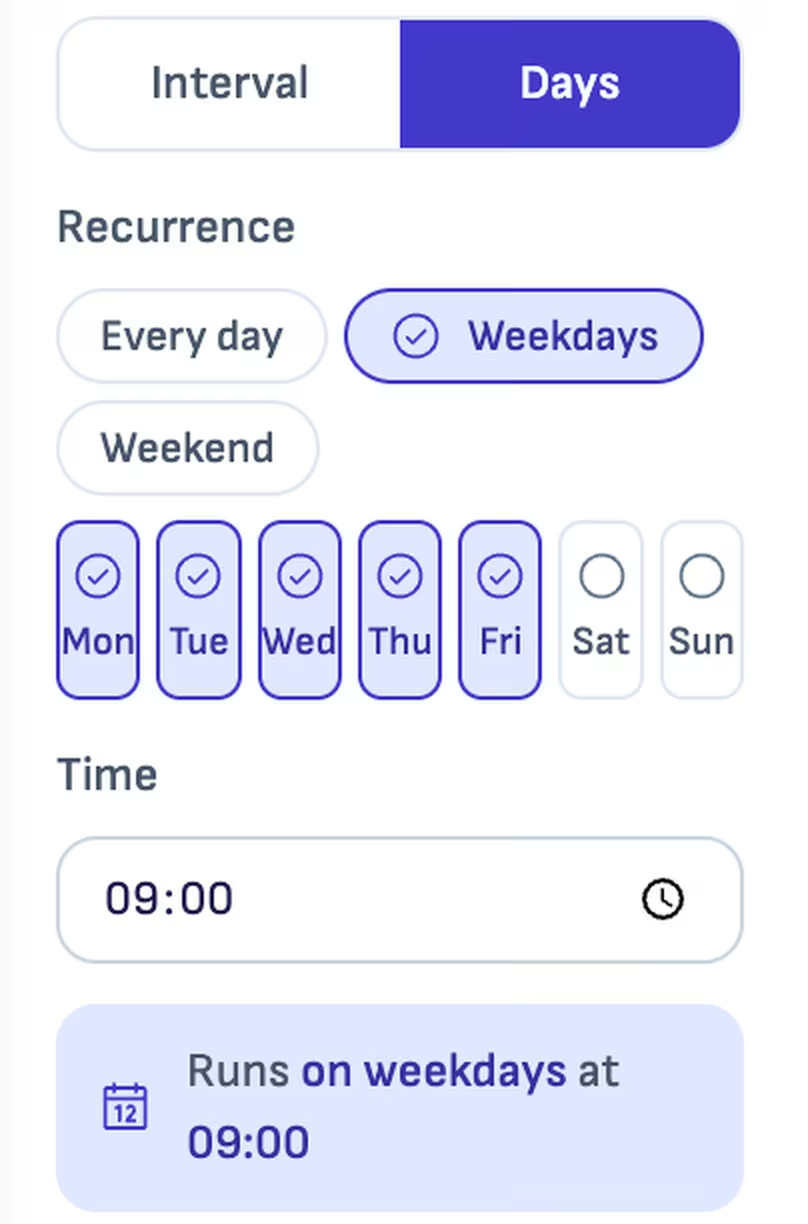
The update, on a schedule.
Write the method once, set when it runs, and come back to a draft that is already written.
What they have in common
A reader who is not you
The document leaves your machine as a deliverable, not as a note to self.
Material before prose
A recording, a spreadsheet, an interview, a changelog. The writing comes from something.
Files, not a workspace
Plain markdown in your folders, so last year’s project still opens.
Start with the document you owe someone.
Free and open source.