The proposal that sounds like every other proposal
You had a good discovery call. The client described their problem clearly, you asked the right questions, you have two pages of notes. Now you need to turn that conversation into a proposal that wins the work.
Most consultants open a previous proposal and start replacing client names and project details. The structure stays the same. The language stays generic. "We will conduct a thorough assessment" could describe any engagement for any client. The proposal ends up sounding like a template because it is one.
The client reads it and sees nothing that reflects the specific conversation you had. Nothing that uses their words, references their concerns, or shows you understood their situation differently from any other consultant they talked to.
Past work as context for new proposals
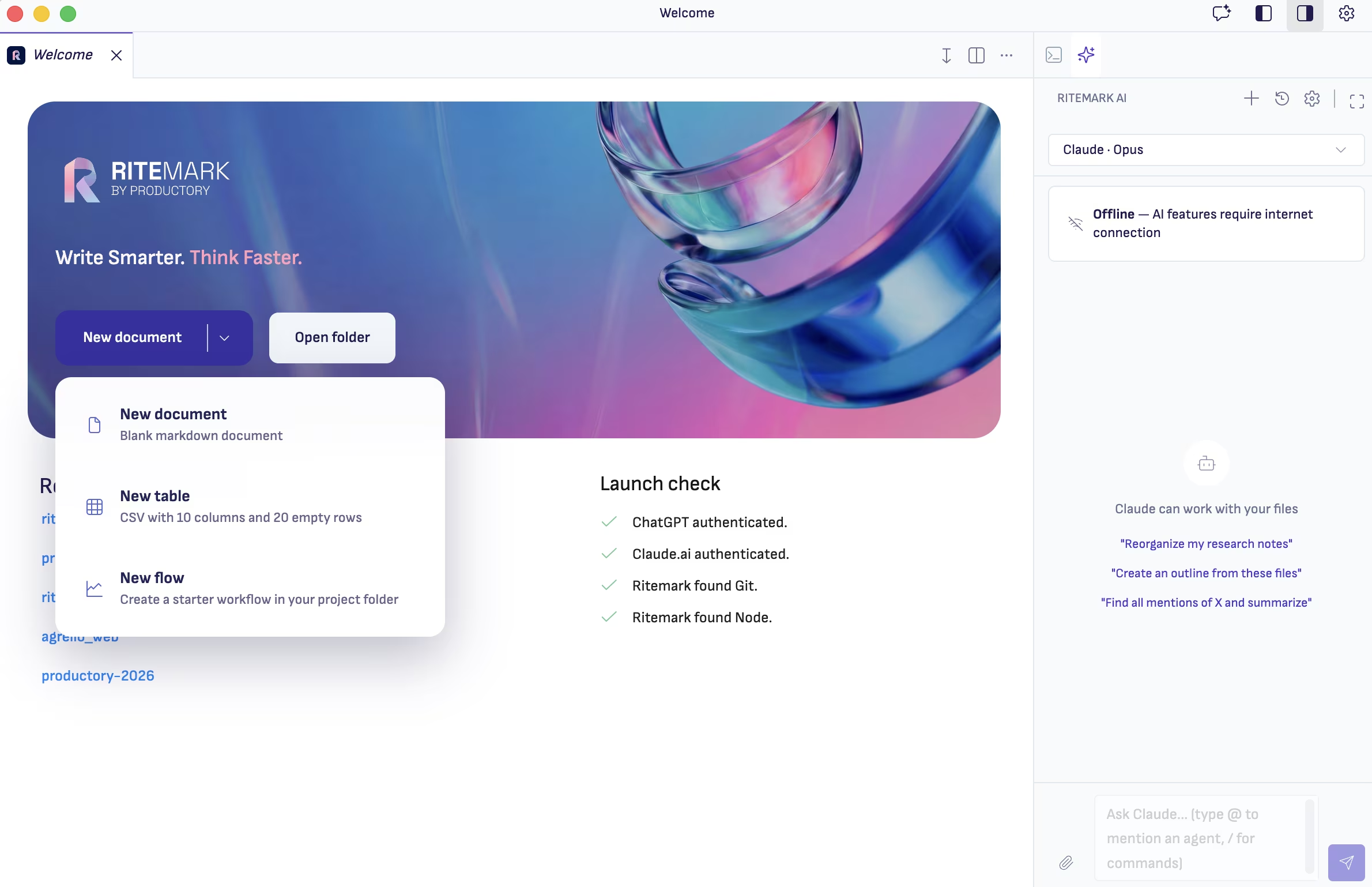
Ritemark keeps your projects in folders. If you have done similar work before, those proposals, deliverables, and scope documents are sitting in their own project folders. When you start a new proposal, the AI agent can read across folders.
Your project structure might look like this: clients/acme-corp/discovery-notes.md for the call notes, and clients/previous-client/proposal.md plus clients/previous-client/scope-document.md from a past engagement. You open a new file for the proposal and start working.
The agent reads your discovery notes. It also reads your previous proposal. It knows what you offered before, how you structured the engagement, what the timeline looked like, and what language you used. When it helps you draft the new proposal, it draws on both the specific conversation and your established approach.
Drafting the proposal in the client's language
You start with: "Read the discovery call notes. What are the three main problems the client described? Use their exact words where possible."
The agent pulls out the client's own phrasing. They did not say "digital transformation." They said "we keep building tools that nobody uses." That is the language your proposal should use. When the client reads it, they should feel like you were listening.
Then you scope the engagement. "Based on similar past engagements, suggest a phased approach. First phase should address the most urgent problem from the discovery notes. Include rough time estimates."
The agent looks at how you scoped the previous engagement and adapts it to the current client's situation. It does not copy and paste. It takes the structure that worked before and shapes it around what this client actually needs. You review, adjust the phases, and refine the estimates based on your judgment of complexity.
For pricing and terms, you write those yourself. The agent handles the narrative sections where context matters most: the problem statement, the approach, the expected outcomes. These are the sections where a generic template loses deals and where specific, contextual writing wins them.
Why proposals written this way convert better
A proposal that mirrors the client's language and references their specific concerns feels personal. It signals that you paid attention, that you understood, and that your approach is tailored to them. That is hard to do manually when you are writing three proposals a week.
With Ritemark, your past work becomes a knowledge base that actively informs new work. Every engagement you complete makes the next proposal a little sharper. Not because you are copying, but because the agent reads your previous scoping decisions, your phrasing, and the structures that worked each time you ask. Your experience compounds in a way that a template folder never allows.
Start writing with Ritemark.
Free and open source.