The weekly update nobody wants to write
Every founder knows they should send a weekly update to the team. Most weeks it feels like a chore. You open a blank document on Friday afternoon, try to remember what happened, write something that's half status report and half motivational note, and send it off. Next week you do it again from scratch.
The updates end up inconsistent. Some weeks you cover product, sales, and hiring. Other weeks you forget to mention a key win because you were focused on a problem. The tone shifts depending on your mood. After six months you have fifty emails scattered across your inbox that nobody, including you, will ever read again.
The issue isn't discipline. It's that your writing tool doesn't help you stay consistent, and it doesn't remember what you wrote before.
A folder that builds up over time
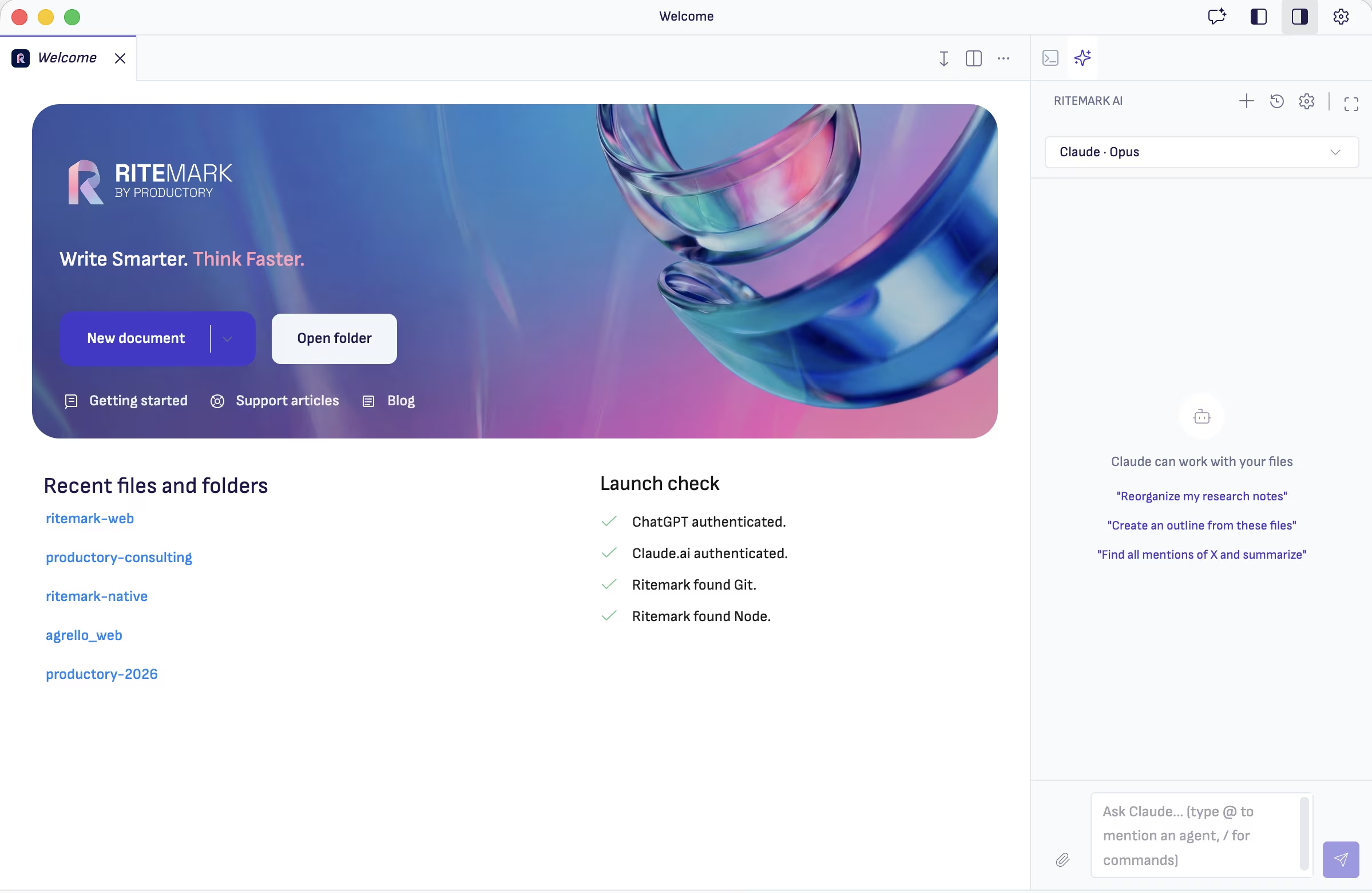
In Ritemark, you create a folder called "weekly-updates" and save each week's update as a markdown file. Week 12, week 13, week 14. They accumulate. The AI agent can read every file in the folder when you're drafting the current week.
You open a new file for this week's update and type your raw notes. "Shipped the onboarding flow. Lost the Acme deal. Two new candidates in pipeline for the designer role." Then you ask the agent: "Read last week's update and help me draft this week's in the same format."
The agent reads last week's file, sees the structure you used, and turns your bullet notes into flowing paragraphs that match your previous tone and format. You had a product section, a sales section, and a people section last week. The agent follows the same structure and slots your notes into the right places. You edit, add the context that only you can provide, and you're done in fifteen minutes instead of forty-five.
The agent picks up your style
After a few weeks, something interesting happens. The agent has read eight or ten of your previous updates. It knows you always open with a one-sentence summary of the week. It knows you mention metrics in the sales section but keep the product section qualitative. It knows you end with a "looking ahead" paragraph.
You don't have to explain any of this. When you ask "draft this week's update based on my notes," the agent produces something that sounds like you. Not a generic corporate update, but your voice, your format, your rhythm.
If you want to change the format, you just change one update and tell the agent to follow the new version going forward. The style evolves naturally.
A living archive you can actually search
After six months, your weekly-updates folder has twenty-five files in it. That's a detailed record of your company's progress. When did you start hiring for the designer role? Search the folder. When did revenue first cross the 10k mark? It's in there. What was the mood when you lost your biggest customer? You wrote about it.
This is more useful than any project management tool's timeline view. It's narrative, it's in your words, and it's searchable. When you write your next investor update, you can ask the agent to read the last quarter of weekly updates and summarize the highlights. The weekly updates feed into the quarterly updates. Nothing gets lost.
And because it's all local markdown files in a folder, there's no Ritemark subscription, no vendor lock-in, no export needed. It's just text files on your machine that happen to have an AI agent that can read them.
Start writing with Ritemark.
Free and open source.